How to Whitewash a Greenhouse: A Step-by-Step Guide to Protect Crops from Excess Heat
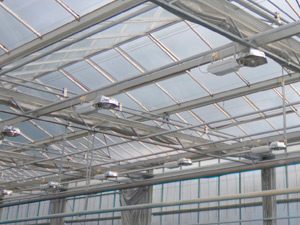
Greenhouse whitewashing is one of the most effective ways to reduce temperatures inside a greenhouse during periods of intense solar radiation. Applying a high-quality greenhouse shading paint helps protect crops from heat stress, improves working conditions, and creates a more stable growing environment.
In this guide, you’ll learn how to whitewash a greenhouse step by step, when to apply it, and the key factors to consider for long-lasting, professional results.
What Is Greenhouse Whitewashing?
Greenhouse whitewashing is the process of applying a shading coating to the outside of the greenhouse cover. The coating partially reduces the amount of sunlight entering the structure, lowering internal temperatures while still allowing enough light for healthy plant growth.
This technique is widely used in commercial horticulture to prevent excessive heat during spring and summer.
Why Is It Important to Whitewash a Greenhouse?
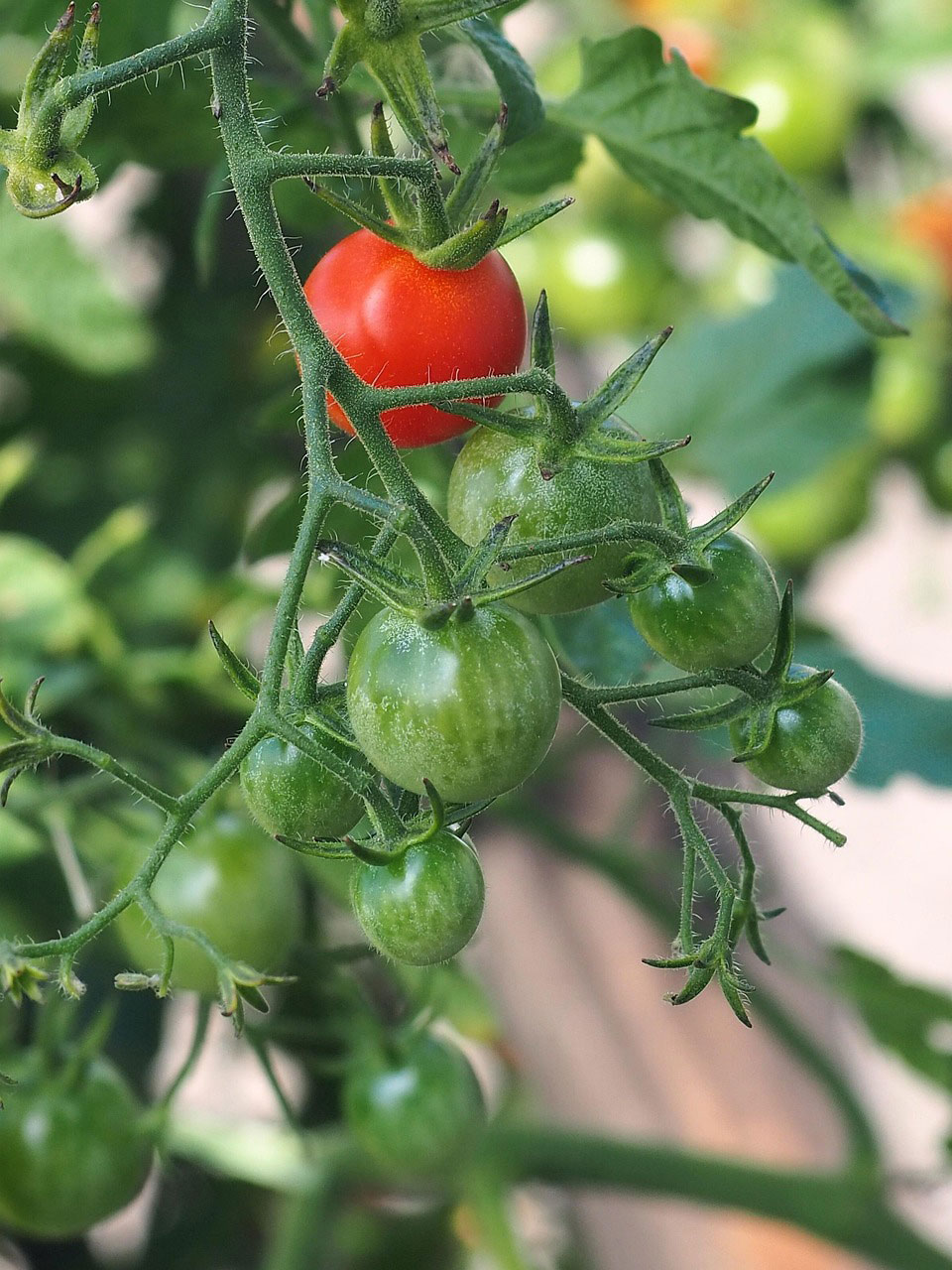
As solar radiation increases, greenhouse temperatures can quickly rise to levels that negatively affect plant growth. Excessive heat may cause:
- Heat stress in crops.
- Sunscald on leaves and fruit.
- Increased water consumption.
- Reduced crop quality.
- Lower yields.
A properly applied whitewash creates a more stable climate, helping plants grow under optimal conditions even during the hottest months.
When Should You Whitewash a Greenhouse?
The best time depends on your climate and the crops you grow. In warm Mediterranean regions, whitewashing is usually carried out during April or May, before temperatures begin to rise significantly.
Applying the coating before the hottest weather arrives ensures crops are protected from the first periods of intense sunlight.
How to Whitewash a Greenhouse Step by Step
1. Clean the Greenhouse Cover
Before applying the product, make sure the greenhouse cover is clean and free from dust, dirt, algae, and any residue from previous coatings. A clean surface ensures better adhesion and a more even finish.
2. Choose the Right Greenhouse Shading Product
Not all greenhouse coatings perform the same. A professional shading product should provide excellent coverage, strong weather resistance, and consistent shading throughout the growing season.
Choosing a product specifically designed for greenhouse applications will deliver the best results.
3. Prepare the Mixture
Always follow the manufacturer’s recommended dilution ratio.
A mixture that is too concentrated may block too much light, while one that is too diluted may not provide sufficient cooling.
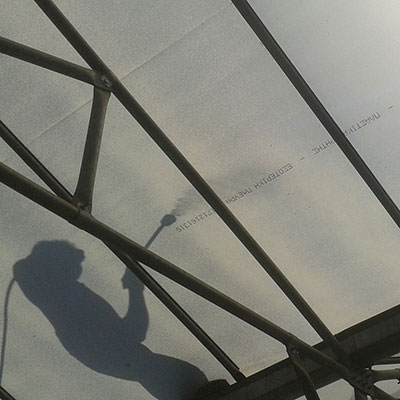
4. Apply the Coating Evenly
The product can be applied using spraying equipment or other systems suitable for large greenhouse structures.
The goal is to achieve a uniform layer across the entire greenhouse surface, avoiding streaks, patches, or uneven coverage.
5. Inspect the Final Result
Once the coating has dried, check that the whitewash has been applied evenly and that there are no areas with insufficient or excessive shading.
Common Mistakes When Whitewashing a Greenhouse
Some of the most common mistakes include:
- Applying the coating too late in the season.
- Using the wrong dilution ratio.
- Failing to clean the greenhouse beforehand.
- Applying the product unevenly.
- Using products not specifically designed for greenhouse shading.
Avoiding these mistakes will improve both the effectiveness and the lifespan of the treatment.
Which Product Should You Use for Greenhouse Whitewashing?
Professional results require products specifically developed for greenhouse shading.
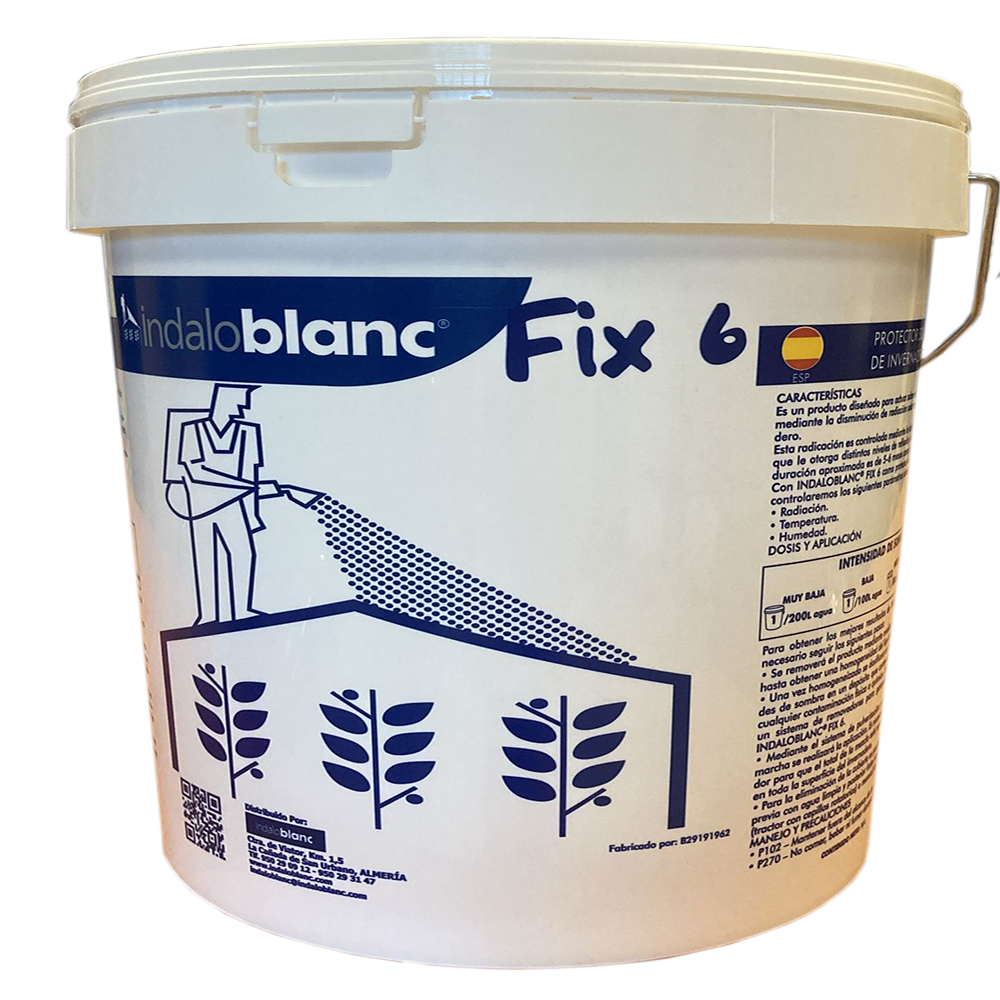
Indaloblanc’s greenhouse whitewashing solutions are designed to provide uniform coverage, excellent adhesion, and reliable performance even under demanding weather conditions.
Using a high-quality product helps maintain consistent shading throughout the season while allowing easy removal when the growing cycle is complete.
Conclusion
Greenhouse whitewashing is an essential practice for protecting crops during periods of intense sunlight. When applied correctly, it reduces internal temperatures, minimizes heat stress, and creates better growing conditions for healthier, more productive crops.
If you’re looking for a professional greenhouse shading solution, Indaloblanc offers products engineered to deliver durable, uniform, and effective protection for modern greenhouse agriculture.